
How to Fix Ingrown Toenails (And Prevent Them From Coming Back)
How to Fix Ingrown Toenails (And Prevent Them From Coming Back)
Ingrown toenails are a common foot problem that can make everyday activities like walking, exercising, or wearing shoes painful. They occur when the edge of a toenail grows into the surrounding skin, causing redness, swelling, tenderness, and sometimes infection. Although mild ingrown toenails can sometimes improve with proper home care, persistent, recurring, or infected cases often require professional treatment to relieve pain, clear the infection, and prevent future problems.
At Southern California Foot & Ankle, we provide expert ingrown toenail treatment to relieve pain, treat infections, and help prevent recurrence. If you’re struggling with a painful ingrown toenail, we’re here to help.
What Is an Ingrown Toenail?
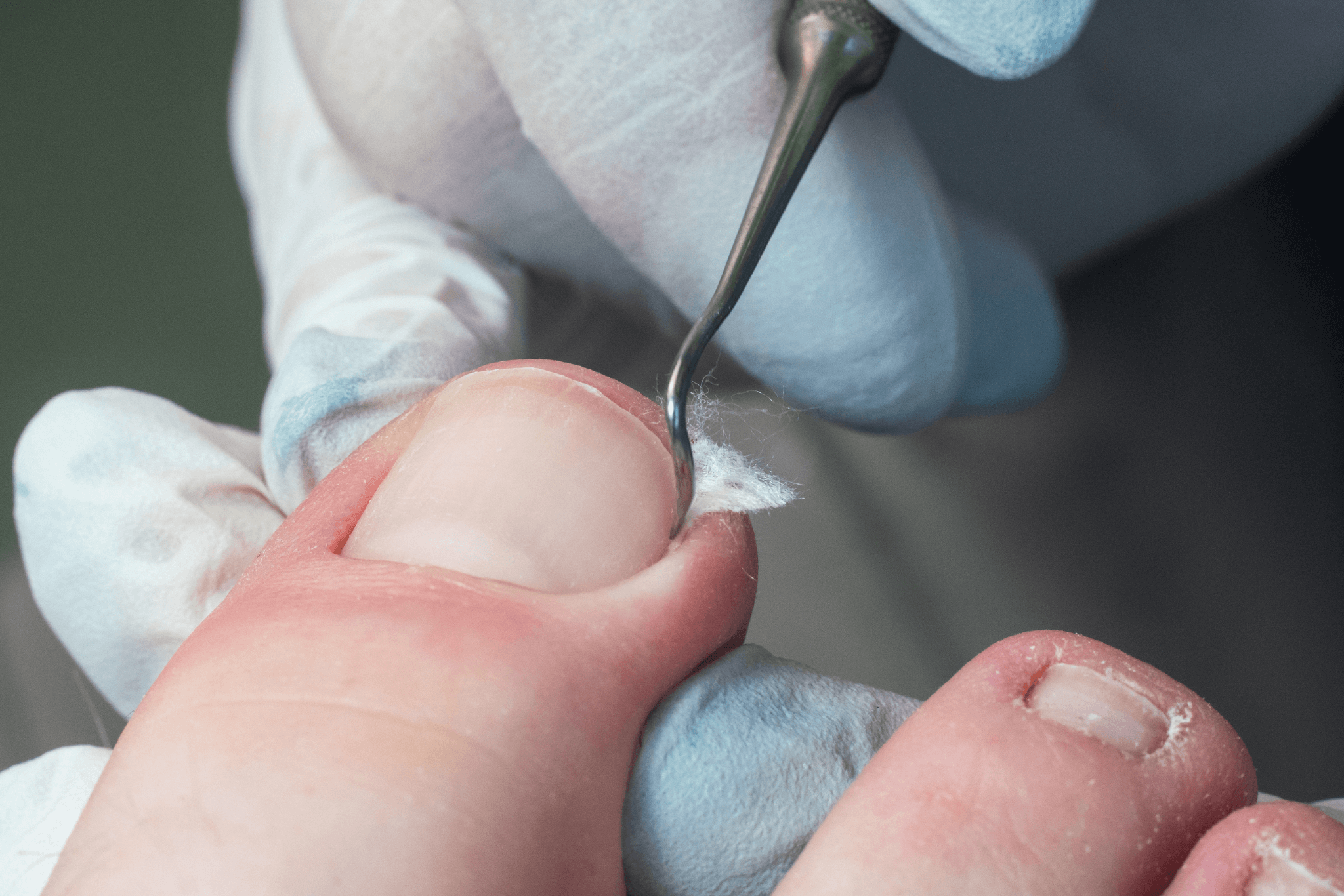
An ingrown toenail, also known as onychocryptosis, develops when the side or corner of a toenail grows into the surrounding skin instead of over it. Although it can affect any toe, it most commonly occurs on the big toe.
Signs Your Toenail May Be Ingrown
Symptoms may include:
- Pain or tenderness along the nail
- Redness around the affected toe
- Swelling
- Drainage or pus
- Difficulty wearing shoes comfortably
- Pain while walking or standing
Without treatment, an ingrown toenail can become infected and increasingly painful.
How to Treat an Ingrown Toenail at Home
Home treatment may help if your symptoms are mild and there are no signs of infection. However, if your pain worsens or you notice drainage, swelling, or increasing redness, it’s time to see a podiatrist.
Soak Your Foot in Warm Water
Soak the affected foot in warm water for 15 to 20 minutes several times a day. This helps soften the surrounding skin, reduce irritation, and relieve discomfort.
Keep the Area Clean
Wash the toe gently with soap and water, then dry it thoroughly. Avoid digging under the nail or trying to remove it yourself, as this can worsen the injury or increase the risk of infection.
Wear Shoes with More Toe Room
Wear shoes that provide plenty of room for your toes, or choose open-toed sandals when appropriate to reduce pressure on the affected nail while it heals.
Avoid Cutting the Nail Aggressively
Do not cut the nail too short or trim down the sides. Instead, allow the nail to grow beyond the edge of the skin before trimming it straight across.
Monitor for Signs of Infection
Contact a podiatrist if you notice:
- Increasing redness
- Swelling
- Drainage or pus
- Severe or worsening pain
- Fever or redness spreading beyond the toe
Why Do Ingrown Toenails Keep Coming Back?
Recurring ingrown toenails often develop because the underlying cause hasn’t been addressed.
Tight Shoes
Shoes that are too narrow or tight place constant pressure on the toes, causing the nail to press into the surrounding skin. Wearing properly fitted shoes with adequate toe room can help reduce your risk.
Trimming Nails Too Short
Improper nail trimming is one of the most common causes of recurring ingrown toenails. Cutting nails too short or rounding the corners encourages the nail to grow into the skin. Trim your toenails straight across instead.
Toe Injuries
Stubbed toes, dropped objects, or repetitive sports injuries can damage the nail and change the way it grows, increasing the likelihood of future ingrown toenails.
Natural Nail Shape
Some people naturally have curved, thick, or fan-shaped toenails that are more likely to become ingrown. These cases often benefit from professional treatment to prevent recurrence.
Foot Structure
The way your feet are shaped or how pressure is distributed when you walk can increase your risk of developing recurring ingrown toenails. A podiatrist can evaluate these issues and recommend treatments to reduce repeated problems.
When Home Treatment is Not Enough
Signs You Should See a Podiatrist:
Schedule an evaluation if you experience:
- Signs of infection
- Severe or persistent pain
- Recurring ingrown toenails
- Difficulty walking
- Diabetes, poor circulation, or nerve damage
People with diabetes should seek prompt treatment for any foot injury, including an ingrown toenail, to reduce the risk of serious complications.
Professional Treatment for Ingrown Toenails
Conservative Treatment
For mild cases, your podiatrist may gently lift the edge of the nail, reduce pressure, and recommend proper wound care, footwear modifications, and home care instructions.
Partial Nail Removal
If the nail is deeply embedded or infected, a partial nail avulsion may be recommended. After numbing the toe with a local anesthetic, only the affected portion of the nail is removed, providing quick pain relief while preserving the healthy nail.
Permanent Nail Correction
If ingrown toenails continue to return, your podiatrist may recommend a permanent nail procedure. This treatment removes a small portion of the nail root to stop that section of the nail from growing back, helping prevent future ingrown toenails.
How to Prevent Ingrown Toenails
These simple foot care habits can help prevent ingrown toenails and reduce the risk of future flare-ups:
- Trim toenails straight across
- Avoid cutting nails too short
- Wear shoes with adequate toe room
- Keep your feet clean and dry
- Avoid picking at or tearing your toenails
- Seek treatment before symptoms become severe
Practicing good foot care can help keep your feet healthy and reduce future problems.
Frequently Asked Questions
Can You Treat an Ingrown Toenail at Home?
Home care may provide relief for mild ingrown toenails, but infected or recurring cases should be evaluated by a podiatrist to prevent complications and long-term nail problems.
Will an Ingrown Toenail Go Away?
Some mild ingrown toenails improve with proper home care. If symptoms continue, worsen, or become infected, professional treatment is recommended.
When Should I See a Podiatrist?
See a podiatrist if you have severe pain, drainage, repeated ingrown toenails, difficulty walking, or diabetes.
Can Ingrown Toenails Come Back?
Yes. If the underlying cause isn’t addressed, ingrown toenails can return. Permanent nail correction can provide long-term relief for chronic or recurring cases.
Expert Ingrown Toenail Treatment in Southern California
A painful ingrown toenail doesn’t have to interfere with your daily life. At Southern California Foot & Ankle, we provide professional treatment plans for ingrown toenails, including conservative care, partial nail removal, and permanent nail procedures for chronic or recurring cases. Our goal is to relieve your pain, promote healthy healing, and help prevent the problem from returning.
Call us at Southern California Foot & Ankle Specialists today or schedule an appointment online to get lasting relief.