
Ingrown Toenails
Ingrown Toenail Treatment in Southern California
Ingrown toenails are one of the most common causes of foot pain and can quickly become more than just an inconvenience. When the edge of a toenail grows into the surrounding skin, it can cause pain, redness, swelling, and even infection if left untreated. At Southern California Foot & Ankle, our experienced podiatrists provide personalized ingrown toenail treatment to relieve discomfort and help prevent the problem from returning.
Whether your symptoms are mild or you have a painful, infected ingrown toenail, we offer both conservative care and in-office treatment options designed to restore your comfort and foot health.
Schedule an Appointment or call (949) 364-9255 to get the relief you deserve.
What Is An Ingrown Toenail?
An ingrown toenail develops when the edge or corner of a toenail grows into the surrounding skin instead of over it. This most commonly affects the big toe but can occur on any toe.
As the nail continues to press into the skin, irritation leads to inflammation, swelling, and tenderness. Without proper treatment, bacteria can enter the area and cause an infection that becomes increasingly painful.
While some mild cases improve with early care, persistent symptoms should always be evaluated by a podiatrist. Individuals with diabetes or poor circulation are at a greater risk for complications and should seek prompt treatment.
Related Conditions

Ingrown Toenail Symptoms and Causes
Recognizing the symptoms early can help prevent infection and more extensive treatment.
Common Symptoms
You may have an ingrown toenail if you experience:
-
- Pain along one or both sides of the nail
- Redness and irritation
- Swelling around the affected toe
- Tenderness when walking or wearing shoes
- Drainage, pus, or other signs of infection
- Difficulty participating in normal daily activities
Common Causes
Several factors can contribute to an ingrown toenail, including:
-
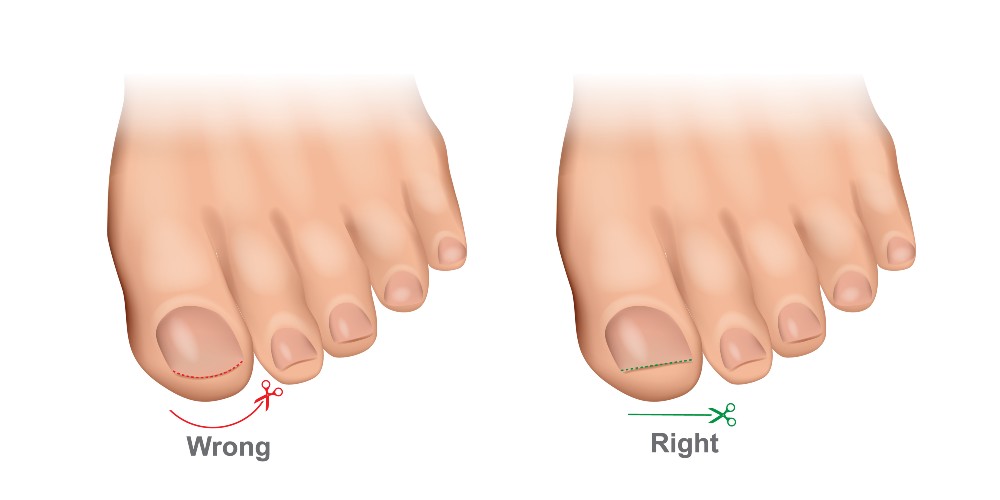
- Cutting toenails too short or rounding the edges
- Wearing tight or narrow shoes
- Sports injuries or repeated toe trauma
- Naturally curved toenails
- Thickened or damaged toenails
If you have conditions such as diabetes or circulation problems, even a minor ingrown toenail should be evaluated promptly to reduce the risk of infection.
When Should You See a Podiatrist?
A mild ingrown toenail may improve with early home care, but it’s time to see a podiatrist if you notice:
-
- Pain continues to worsen
- Swelling or redness increases
- Pus or drainage develops
- Home remedies do not provide relief
- Ingrown toenails keep coming back
- Walking becomes painful
- You have diabetes or poor circulation
Early treatment can help prevent infection and often reduces the need for more extensive procedures.
Ingrown Toenail Treatment Options
Treatment depends on the severity of your symptoms, whether infection is present, and your medical history.
Home Care for Mild Cases
For early symptoms, your podiatrist may recommend:
-
- Soaking your foot in warm water
- Keeping the area clean and dry
- Applying a protective bandage
- Wearing shoes with a wide toe box
- Monitoring for worsening symptoms
If you notice your symptoms persist or worsen, professional care by a podiatrist is recommended.
Conservative Treatment
For mild to moderate ingrown toenails, we may gently lift the edge of the nail to reduce pressure on the surrounding skin. This encourages the nail to grow normally while relieving discomfort.
Partial Ingrown Toenail Removal
If the nail is severely ingrown or infected, removing only the affected portion of the nail may provide lasting relief. This in-office procedure is performed under local anesthesia to maximize comfort while eliminating the painful section of the nail.
Permanent Nail Correction
For recurring ingrown toenails, a permanent procedure may be recommended to prevent the affected portion of the nail from growing back. This long-term solution helps reduce future pain, infections, and repeated procedures.
Our Southern California podiatrists will recommend the treatment option that best fits your condition and long-term foot health goals.
Preventing Future Ingrown Toenails
Good foot care can help reduce your risk of developing another ingrown toenail.
Prevention Tips
-
- Trim toenails straight across
- Avoid cutting nails too short
- Wear properly fitting shoes with adequate toe room
- Protect your toes during sports and physical activities
- Inspect your feet regularly
- Seek treatment at the first sign of pain or swelling
Following your podiatrist’s aftercare instructions after treatment can also help prevent recurrence.
Why Choose Southern California Foot & Ankle?
Our team is committed to providing compassionate, personalized care for patients experiencing foot and ankle pain.
At Southern California Foot & Ankle, we offer treatment options ranging from conservative care to in-office procedures for persistent and recurring ingrown toenails. Our goal is to address the painful nail, identify factors that may contribute to recurrence, and help you get back to your normal activities.
Frequently Asked Questions
Can an ingrown toenail heal on its own?
Some mild cases improve with proper home care, but persistent pain, swelling, or infection should be evaluated by a podiatrist.
Does ingrown toenail removal hurt?
No. The procedure is performed using local anesthesia to keep you comfortable. Mild soreness afterward is typically temporary.
How long is recovery?
Most patients return to normal activities within a few days, although complete healing may take several weeks depending on the procedure performed.
Can ingrown toenails come back?
Yes. Without proper treatment or prevention, they may recur. Permanent nail correction can significantly reduce the chance of future ingrown toenails.
Should diabetic patients seek treatment sooner?
Yes. Diabetes can slow healing and increase the risk of infection. Prompt professional care is strongly recommended.
Schedule Ingrown Toenail Treatment in Southern California
You don’t have to live with the pain of an ingrown toenail. Whether you’re experiencing early symptoms or dealing with a recurring or infected nail, the team at Southern California Foot & Ankle is here to help. We’ll determine the cause of your condition and recommend the most effective treatment to relieve pain and help prevent future problems.
Call (949) 364-9255 today to reach our Ladera Ranch Office, (714) 639-7993 to reach our Orange Office, or request an appointment online to schedule your evaluation.
Contact Us
Ladera Ranch
333 Corporate Dr. Ste 230, Ladera Ranch, CA 92694
Tel: (949) 364-9255 (WALK)
Fax: (949) 364-9250
Office Hours:
Monday - Friday: 9am - 5pm
*(Lunch 12 noon - 1pm)
Orange
2617 E Chapman Ave. Ste 303, Orange, CA 92869
Tel: (714) 639-7993
Fax: (714) 639-0729
Office Hours:
Monday - Friday: 9am - 5pm
*(Lunch 12 noon - 1pm)