
Plantar Fasciitis
Chronic heel pain can make even the simplest daily activities feel overwhelming. Getting out of bed, standing at work, or walking through the grocery store shouldn’t hurt—but for many people, heel pain becomes a constant frustration. If your foot pain is holding you back from staying active or enjoying life, you’re not alone.
One of the most common causes of persistent heel pain is plantar fasciitis, a highly treatable foot condition when addressed early. With proper diagnosis and personalized care, many patients experience significant relief and are able to return to their normal routines pain-free.
What Is Plantar Fasciitis?
Plantar fasciitis occurs when the plantar fascia, a thick band of connective tissue running along the bottom of your foot, becomes inflamed or irritated. This ligament connects the heel bone (calcaneus) to the toes and plays a critical role in supporting the arch and absorbing shock as you walk.
When excessive stress or strain is placed on the plantar fascia, tiny tears can develop, leading to inflammation and heel pain. Plantar fasciitis affects more than 3 million people each year and can occur at any age. The good news is that it is one of the most well-researched and successfully treated causes of heel pain.
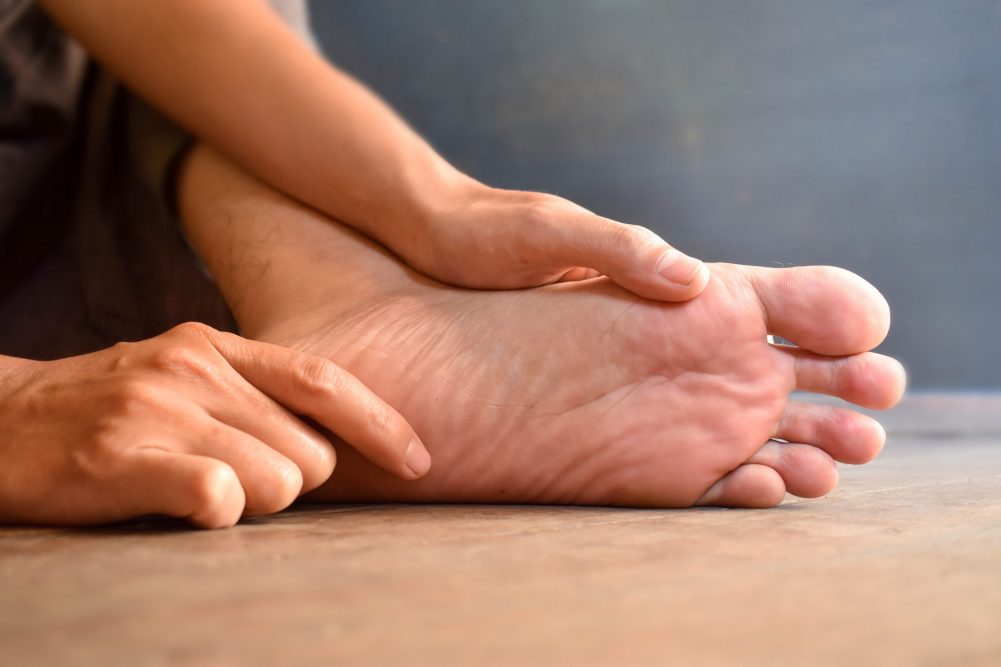
Symptoms of Plantar Fasciitis
Plantar fasciitis symptoms often develop gradually and may worsen over time without treatment. Common signs include:
- Sharp or stabbing heel pain with your first steps in the morning
- Pain after standing up following long periods of sitting or resting
- Heel pain that improves slightly with movement but returns later
- Discomfort that worsens after exercise rather than during activity
- General soreness along the heel or arch of the foot
Many patients report that morning pain is the most severe, as the plantar fascia tightens overnight and is suddenly stretched when standing.
What Causes Plantar Fasciitis?
Plantar fasciitis doesn’t have a single cause. Instead, it often develops due to a combination of biomechanical, lifestyle, and footwear factors.
Foot Structure and Biomechanics
People with flat feet, high arches, or abnormal walking patterns place uneven stress on the plantar fascia, increasing the risk of inflammation and heel pain.
Lifestyle and Activity Factors
Repetitive strain from walking, running, climbing, or standing for long periods can overload the plantar fascia. Jobs that require prolonged standing—such as teaching, nursing, construction, or healthcare—are especially associated with plantar fasciitis.
Footwear Issues
Shoes that lack proper arch support, cushioning, or stability can significantly contribute to heel pain. Worn-out or unsupportive footwear alters weight distribution and increases strain on the plantar fascia.
Additional Risk Factors
Tight calf muscles, sudden increases in physical activity, improper weight distribution, and inadequate recovery time can all increase your risk of developing plantar fasciitis.
How We Diagnose Plantar Fasciitis
Diagnosing plantar fasciitis begins with a thorough evaluation. Our podiatrists assess your symptoms, review your activity level, and examine your foot structure and gait. We evaluate biomechanics, arch support, and areas of tenderness along the heel and plantar fascia.
Imaging, such as X-rays or ultrasound, may be used when necessary to rule out other causes of heel pain or confirm inflammation and tissue damage.
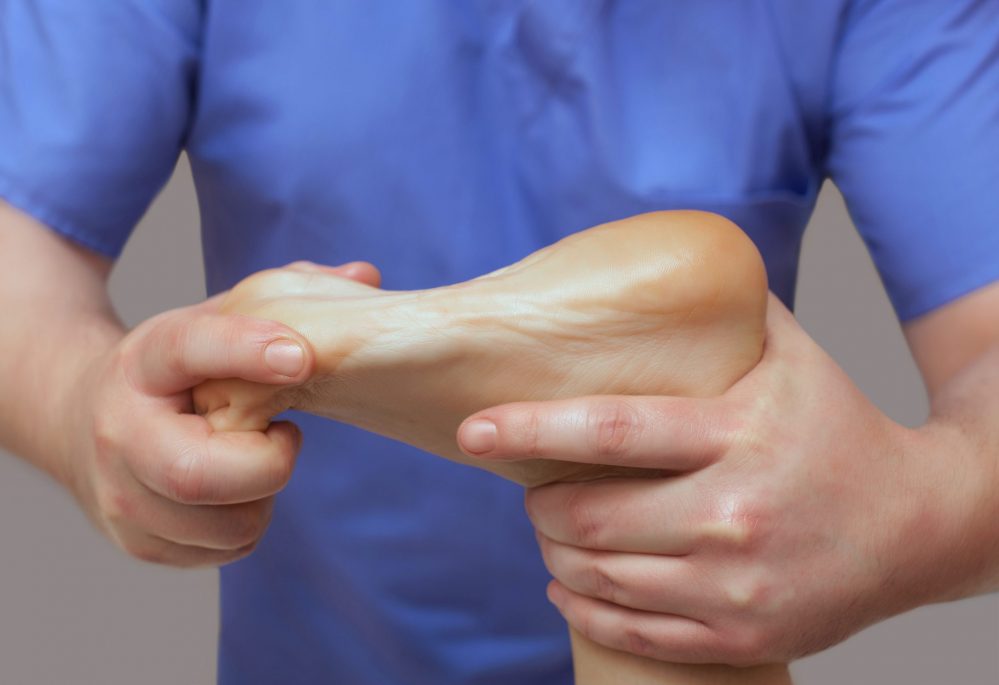
Treatment Options for Plantar Fasciitis
Treatment for plantar fasciitis is highly individualized and focuses on both relieving current pain and preventing recurrence.
Home Care and Conservative Therapy
Many cases improve with rest, ice, elevation, and targeted stretching routines. Over-the-counter anti-inflammatory medications may help reduce pain and swelling when used appropriately.
Professional Treatments
For persistent symptoms, additional treatments may include physical therapy, night splints to stretch the plantar fascia while you sleep, custom orthotics for targeted support, and corticosteroid injections to reduce inflammation when conservative measures are not enough.
Lifestyle Modifications
Adjusting daily activities, improving footwear choices, managing training intensity, and addressing posture or weight-bearing habits all play an important role in long-term recovery.
When Plantar Fasciitis Becomes Severe
Plantar Fascia Tears or Ruptures
In rare but severe cases, the plantar fascia can partially tear or rupture. This may occur after trauma, a hard landing, or intense physical activity. Symptoms include sudden, sharp heel pain, swelling, bruising, and difficulty bearing weight.
Treatment may involve immobilization with a boot or cast, anti-inflammatory medications, and, in severe cases, surgical repair.
Preventing Plantar Fasciitis From Returning
Preventing recurrence focuses on maintaining supportive footwear, continuing regular stretching, avoiding overuse, and using custom orthotics when recommended. Addressing biomechanical issues early can significantly reduce the likelihood of future heel pain.
Why Choose Our Podiatry Office for Heel Pain Treatment
Our experienced podiatrists specialize in diagnosing and treating plantar fasciitis using evidence-based, patient-first care. We create customized treatment plans that address your symptoms, lifestyle, and long-term foot health—helping you move comfortably and confidently again.
Get Relief From Your Heel Pain Today
Don’t let plantar fasciitis keep you from living life in full stride. Early treatment leads to faster recovery and better outcomes.
Schedule your appointment at our Ladera Ranch podiatry office by calling (949) 364-9255 (WALK) or filling out our online appointment request form. We’re here to help you find lasting relief from heel pain.
Contact Us
Ladera Ranch
333 Corporate Dr. Ste 230, Ladera Ranch, CA 92694
Tel: (949) 364-9255 (WALK)
Fax: (949) 364-9250
Office Hours:
Monday - Friday: 9am - 5pm
*(Lunch 12 noon - 1pm)
Orange
2617 E Chapman Ave. Ste 303, Orange, CA 92869
Tel: (714) 639-7993
Fax: (714) 639-0729
Office Hours:
Monday - Friday: 9am - 5pm
*(Lunch 12 noon - 1pm)