
Heel Spur Treatment in Southern California | Causes, Symptoms & Relief
Heel Spurs: Causes, Symptoms & Effective Treatment in Southern California
Heel pain can make even the simplest activities—like getting out of bed or taking a walk—uncomfortable. One common cause is a heel spur, a bony growth that develops under the heel. Frequently linked with plantar fasciitis, heel spurs can cause sharp, persistent pain that affects your daily life. At Southern California Foot & Ankle Specialists, we help patients across Orange County, including Irvine and the surrounding areas, find lasting relief.
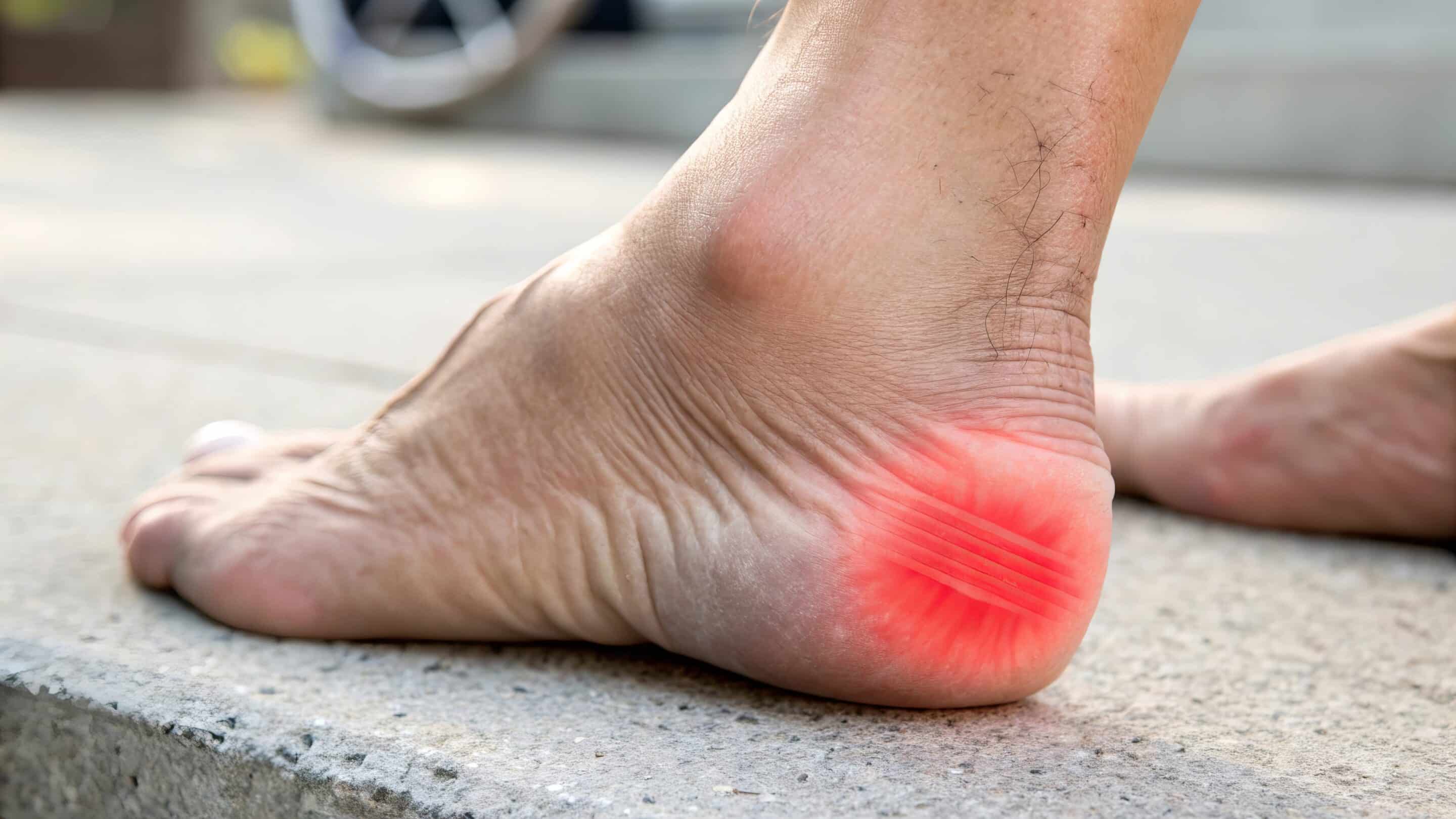
What Are Heel Spurs?
A heel spur is a calcium deposit that forms where the plantar fascia (the thick tissue along the bottom of the foot) attaches to the heel bone (calcaneus). Over time, repeated stress and tension on this tissue can trigger the body to form extra bone, creating a spur. While some heel spurs cause no discomfort, others can lead to ongoing pain and inflammation.
What Causes Heel Spurs?
Plantar Fasciitis and Heel Spurs
Chronic inflammation of the plantar fascia—known as plantar fasciitis—is a leading contributor to heel spurs. Repeated pulling on the heel bone can lead to calcium buildup over time.
Tight Muscles and Tendons
Tight calf muscles or a stiff Achilles tendon can increase stress on the plantar fascia, worsening heel discomfort and encouraging spur formation.
Foot Structure Issues
Certain foot shapes can increase risk. Flat feet, high arches, and overpronation cause uneven weight distribution, putting extra strain on the heel.
Obesity or Weight Gain
Extra weight puts additional pressure on your feet, making the plantar fascia more vulnerable to microtears and spur formation.
Improper Footwear
Shoes that lack proper arch support or cushioning can make heel pain worse and contribute to spur development. Choosing supportive footwear is key for both prevention and recovery.
Symptoms of Heel Spurs
- Stabbing Heel Pain: Heel spurs often cause a sharp, stabbing pain when taking your first steps in the morning or after resting.
- Pain After Prolonged Sitting or Standing: Known as “start-up pain,” this discomfort can affect daily routines and make standing or walking difficult.
- Swelling or Inflammation: Local swelling, tenderness, or redness around the heel may occur if the surrounding tissue is irritated.
Heel Spur Treatment Options
- Rest and Ice: Reducing activity and applying ice helps control inflammation and relieve pain.
- Stretching Exercises: Stretching the plantar fascia and Achilles tendon improves flexibility and eases tension on the heel.
- Custom Orthotics: Custom orthotics can provide targeted support, redistributing pressure and reducing stress on the heel.
- Supportive Footwear: Shoes with proper arch support and cushioning can prevent further irritation and protect your heels.
- Anti-inflammatory Medications: Over-the-counter NSAIDs may help manage pain and inflammation in the short term.
- Physical Therapy: Physical therapy strengthens foot muscles, improves flexibility, and addresses mechanical issues that contribute to heel spurs.
- Corticosteroid Injections: In severe cases, your podiatrist may recommend corticosteroid injections to reduce inflammation and provide targeted pain relief.
When to Consider Surgery
Surgical Options for Severe Cases
If conservative treatments fail, surgery may be necessary. Options include removing the heel spur or releasing the plantar fascia to relieve pressure.
Risks and Benefits of Surgery
Surgery can provide long-term relief, but it also carries risks such as infection or altered foot mechanics. Your podiatrist will discuss the benefits and potential complications based on your condition.
Heel spurs don’t have to slow you down. With early intervention and the right care, most patients find relief with nonsurgical treatments. If heel pain is affecting your daily life, a professional evaluation is the best first step. Call today to schedule an appointment!
At Southern California Foot & Ankle Specialists, our experienced podiatrists in Orange County, Irvine, and nearby communities can diagnose your heel pain and create a personalized treatment plan.